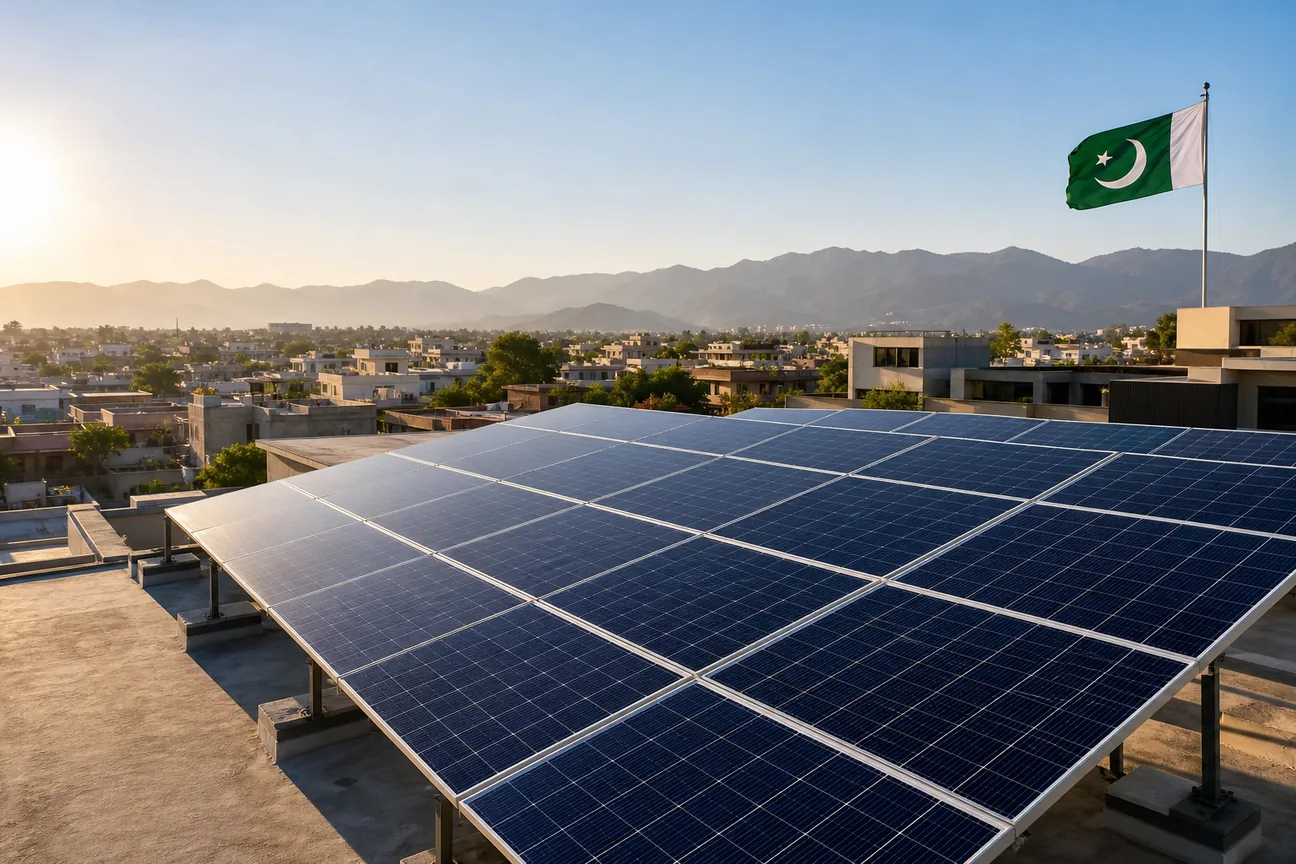
Finding the best solar panels in Pakistan means looking past the wattage on the label. A high-output panel may suit a large roof, while efficiency and the exact model matter more when space is tight. Here are five named options, plus ways to compare them for your home or business.
We analyzed 42 YouTube comments about solar panels in Pakistan and found that 19% mentioned the authenticity of panels.
For a wider look at solar equipment and system planning, explore Azlaan Tools’ solar equipment and sizing resources.
1. Tiger Neo 78HC-BDV by JinkoSolar: high-efficiency bifacial output
Tiger Neo 78HC-BDV by JinkoSolar is a 650 Wp panel with a stated efficiency of 23.3% and a 30-year linear power warranty. The listed 650 Wp rating is for front-side output, so use that figure when comparing the panel’s rated power with other models.
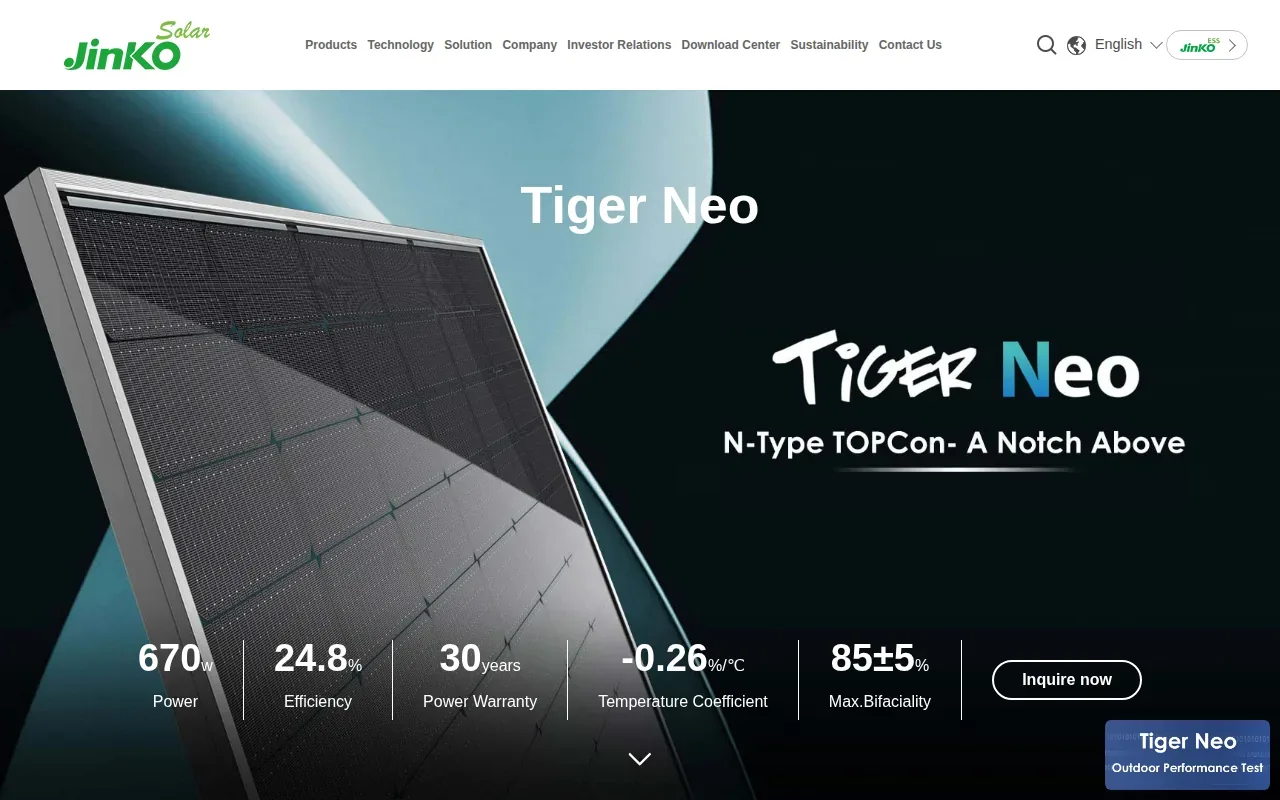
This pick may suit a home or business with limited roof area, where a higher rated output per panel can help reduce the number of modules needed for a target system size. It’s also worth a closer look if you want a long stated power warranty. Check the precise model code on the quotation against the panel label and warranty documents before paying.
The model name places it in the Tiger Neo family, but the listed front-only power rating is the useful number for a first comparison. Ask your installer to show the full datasheet for the exact panel being supplied, especially if the quote describes a bifacial model.
To compare equipment costs against current local rates, check Solar Panel Rates Today in Pakistan from Azlaan Tools. Rates can change, so use a fresh figure when you compare quotations.
2. DeepBlue 4.0 by JA Solar: double-glass TOPCon for homes
DeepBlue 4.0 by JA Solar is a 54-cell panel with N-type TOPCon cells, a double-glass build and bifacial design. The described panel weighs 22 kg and is intended for detached houses and apartment blocks.
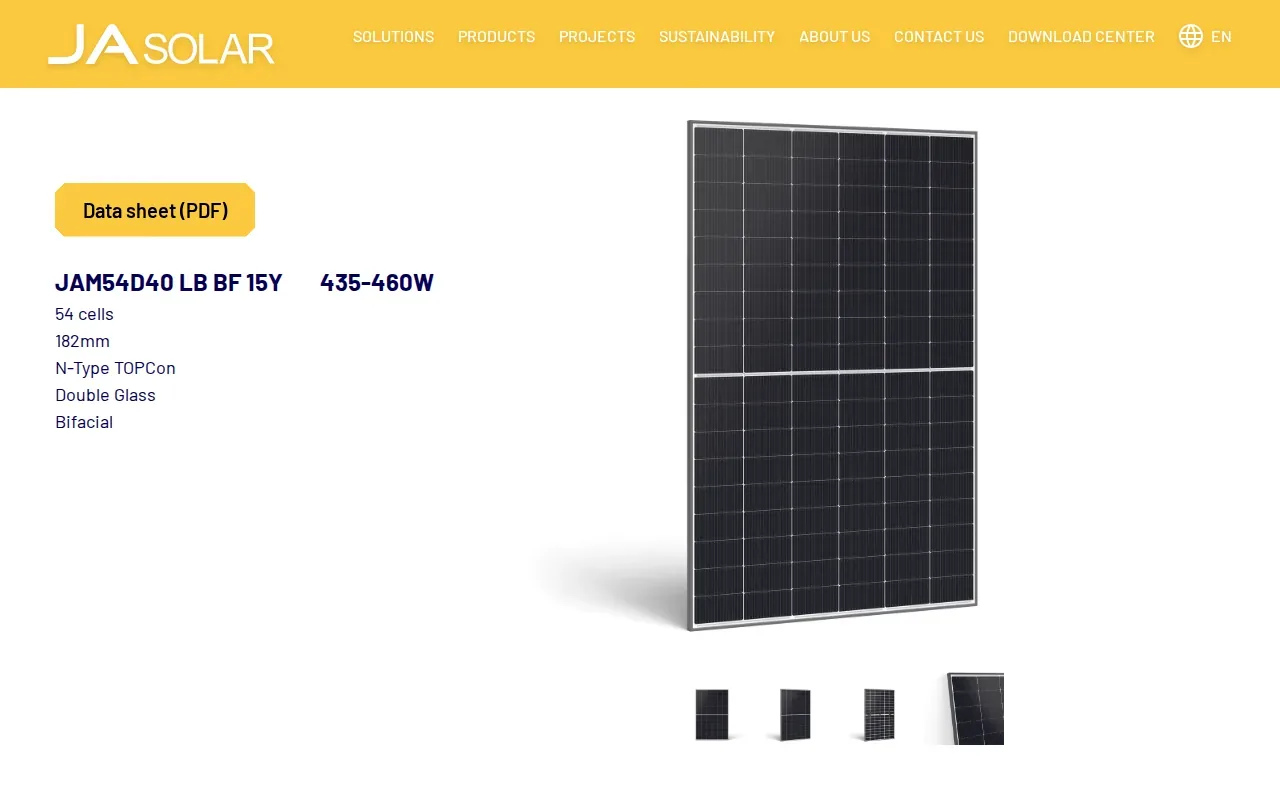
That mix makes it a useful option to discuss with a residential installer. The stated use includes homes, while the cell and glass details give you specific points to check on the quotation. Ask whether the exact model being offered is DeepBlue 4.0 or another variant, since the family name alone doesn’t confirm every specification.
Double-glass and bifacial are design details, not a promise of a set energy gain on every roof. The result depends on the installation and the light that reaches the rear of the panel. For a typical roof, ask the installer to explain how the proposed layout will use those features.
Before you compare quotes, make sure each one names the module model and its rated output. A clear model match helps you avoid comparing one product’s general family name with another product’s full specification.
3. HiKu7 by Canadian Solar: monofacial high-output option
HiKu7 by Canadian Solar is a monofacial panel with power output of up to 665 W. Its high per-panel output makes it worth considering for larger projects or roofs where reducing the number of modules may help with layout.
For a business, fewer high-output panels may simplify a roof plan, but the panel’s wattage alone doesn’t tell you the system’s full cost or energy yield. Ask for the exact model’s efficiency and price in the written quote. Then compare those details with the inverter plan and the usable roof area.
For a home, check the proposed panel dimensions and layout as well as the wattage. A strong rating on paper won’t help if the chosen module size doesn’t fit the roof sections available. Get the installer to mark the panel positions on a roof plan before you confirm the order.
HiKu7 is a high-output monofacial option. Treat the “up to” rating as the start of the comparison, not the only figure you need.
4. BiHiKu7 by Canadian Solar: bifacial generation potential
BiHiKu7 by Canadian Solar is another named option in this shortlist. It’s worth asking for a quote when you’re comparing the HiKu7 family, particularly if the installer proposes a bifacial panel for your site.
For a fair comparison, ask the supplier to state the exact model code and its rated front-side output. If the quote includes a rear-side gain estimate, ask what installation conditions that estimate assumes. The result depends on the site design, so don’t treat a general bifacial claim as a guaranteed increase in generation.
That check is useful for both homes and commercial sites. The same panel can produce different results under different layouts, and the quotation should make clear which figures come from the module datasheet and which are estimates for your installation.
Keep the model code, datasheet and quote together. That makes it easier to check that the panels delivered match what you agreed to buy.
5. Hi-MO 6 by LONGi: check the exact module variant
Hi-MO 6 by LONGi is a family name, so confirm the exact module variant before comparing it with the other picks. Research for the range gives a 22.5% efficiency figure for a Hi-MO 6 panel, but that figure should not be applied to every version without checking its datasheet.
This option may suit a household comparing output against the roof space it has. Ask the seller to show the model-specific efficiency and rated power, then check that the same model appears on the quotation. A series name alone is not enough to verify those details.
Price also needs to be checked against a current local quote. Panel rates can move, and the price of a panel is only one part of the cost of an installed system. Include the inverter, mounting work and other quoted equipment when you assess the total.
For this pick, the decision rule is simple: compare the exact module, not just the LONGi family name.
What to compare before buying solar panels in Pakistan
Start with the job the system needs to do. A home may need a different layout from a shop or factory, and the amount of usable roof space can change which panel makes sense. The top solar panels for Pakistani homes are the ones that fit your load, roof and budget, not simply the ones with the largest number on the label.
Compare these details on each written quotation:
- Rated power: Check the wattage for the exact model and whether the figure is front-side output.
- Efficiency: This helps you compare how much rated output a panel provides for its area. It can matter when roof space is limited.
- Warranty: Ask for the product and power warranty terms in writing. Confirm which company handles a claim.
- Panel type: Monocrystalline panels appear in the options above. Polycrystalline and thin-film panels are other broad solar technologies.
- Full system cost: Compare the complete installation quote, not only the panel rate per watt.
For a home, write down the appliances you need to run and when you use them. A business should also consider its operating hours and the roof area available for panels. Then use the load details to size a system before judging a quotation. Azlaan Tools has a Solar Load Calculator for estimating the system size in kW that fits your home load.
Payback is an estimate, not a promise. A basic way to think about it is to compare the full installed cost with expected annual bill savings. Your result depends on the final system cost, how much power you use on site and the rules that apply to your connection. Check current arrangements with the relevant electricity provider before relying on exported power in your calculations.
Installation details matter too. Have the installer check the roof and shade before setting the panel layout. Ask how the panels will be cleaned in your local conditions and what maintenance the quote includes. Keep the final datasheets and warranty terms in your records.
Ready to estimate your system size and solar costs? Treat solar price and payback figures as estimates, then confirm equipment rates and installation costs with your supplier.
Frequently asked questions
Which solar panel is best for a home in Pakistan?
There isn’t one best panel for every home in Pakistan. Compare the exact model’s rated power and efficiency with your roof space and electricity use. DeepBlue 4.0 is described for detached houses and apartment blocks, while Hi-MO 6 has a reported efficiency figure for one model. Ask your installer to confirm the exact variant and provide its datasheet.
Is a higher-watt solar panel always better?
No, a higher wattage rating alone doesn’t make a panel the right choice. Check the model’s efficiency, physical fit and price in the full system quote. HiKu7 has a stated output of up to 665 W, but your installer still needs to show how the exact model fits your roof and system design.
How can I check solar panel prices in Pakistan?
Use current local rates and compare them with a written installation quote. Panel prices can change, and the panel is only one part of a solar system’s total cost. Azlaan Tools has a daily updated rates page, but confirm the final equipment and installation amounts with the seller before you commit.
How do I estimate solar payback?
Estimate payback by comparing the full installed cost with expected yearly bill savings. The result depends on your system size, power use and the rules that apply to your connection. Use current assumptions, and treat the result as an estimate rather than a guaranteed date for recovering your costs.
Conclusion
For a roof with limited space, compare efficiency and the exact module variant; for a larger site, consider whether higher output suits the layout. Start by entering your home load in Azlaan Tools’ free Solar Load Calculator, then check current rates before requesting a full installation quote.